
The Four Types of Fire Sprinkler Systems and Where Each Works Best
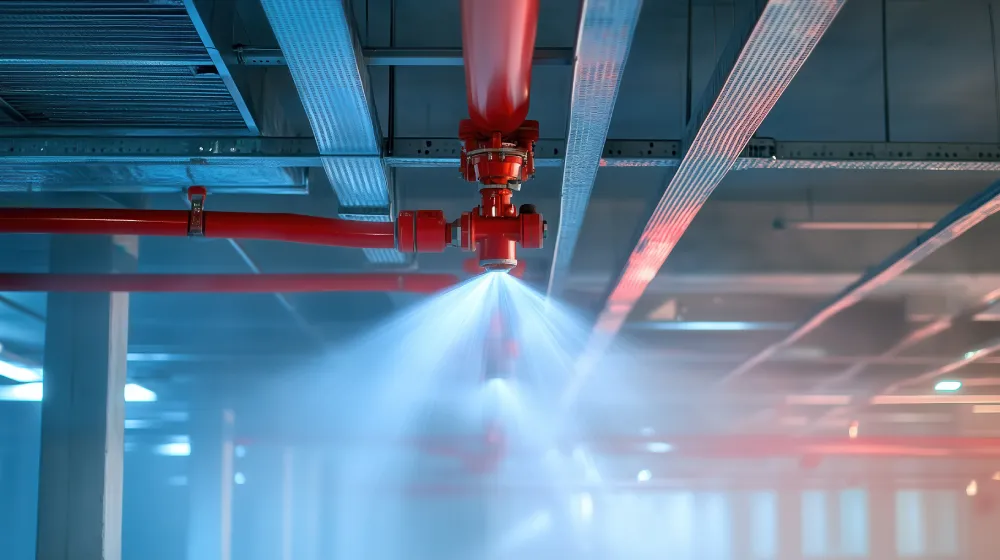
The four types of fire sprinkler system are wet pipe, dry pipe, preaction, and deluge. Each one releases water differently, so the best fit depends on the building, its temperature, and what it holds. Liberty Fire Solutions works with commercial properties across Central and Eastern Pennsylvania and Western Maryland.
Property owners here deal with freezing winters, older masonry buildings, and large industrial spaces. Those conditions shape which fire sprinkler system works best. This article explains how each type operates and how to match it to your property.
Key Takeaways
- Wet pipe systems keep water in the pipes at all times, making them the most common choice for heated buildings.
- Dry pipe systems fill pipes with pressurized air, so they protect unheated spaces like warehouses, loading docks, and parking garages.
- Preaction and deluge systems suit data rooms and hazardous areas where water damage or rapid fire spread is a concern.
- Choosing a type depends on occupancy, climate, and water supply, and regular annual inspections keep each fire sprinkler system ready.
How Each Fire Sprinkler System Fits Different Buildings
Different commercial buildings require different fire sprinkler systems based on temperature, occupancy, equipment, and fire risks. NFPA 13 establishes installation requirements for sprinkler systems, including wet pipe, dry pipe, preaction, and deluge designs. Understanding where each system works best helps facility managers plan appropriate fire protection and maintenance.
Wet Pipe Fire Sprinkler Systems for Heated Commercial Buildings
Wet pipe fire sprinkler systems are best suited for heated commercial buildings where pipes remain protected from freezing. These systems keep water under pressure in the piping, allowing it to discharge immediately when heat activates an individual sprinkler head.
Offices, schools, restaurants, hotels, and heated multifamily buildings commonly use wet pipe systems. Their relatively simple design makes them easier to inspect, maintain, and repair than more complex sprinkler configurations.
Regular fire sprinkler system inspections and service help facility managers identify issues that could affect system performance.
Dry Pipe Fire Sprinkler Systems for Unheated Warehouses and Parking Structures
Dry pipe fire sprinkler systems are designed for commercial spaces exposed to freezing temperatures. Instead of water, the pipes contain pressurized air or nitrogen. When a sprinkler activates, the pressure drops, allowing the dry pipe valve to open and water to enter the piping.
Unheated warehouses, loading docks, parking garages, and exterior canopies are common applications. These systems are particularly relevant for commercial facilities in colder parts of Pennsylvania and Western Maryland.
Because water takes additional time to reach the activated sprinkler, proper system design, inspection, and testing are essential.
Preaction Fire Sprinkler Systems for Data Centers and Sensitive Equipment Areas
Preaction fire sprinkler systems are commonly used in buildings where accidental water discharge could damage valuable equipment or sensitive materials. These systems typically require a separate detection event before water enters the sprinkler piping.
Data centers, server rooms, archives, museums, and certain healthcare equipment areas may use preaction systems. Depending on the configuration, sprinkler activation may also be required before water is discharged.
Facilities with specialized equipment may also need special hazard fire suppression to address risks beyond conventional sprinkler protection.
Deluge Fire Sprinkler Systems for High-Hazard Industrial Facilities
Deluge fire sprinkler systems are designed for industrial facilities where fires can spread rapidly and require simultaneous water discharge across a protected area.
Unlike conventional sprinklers, deluge systems use open sprinkler heads connected to a valve controlled by a separate detection system.
Aircraft hangars, certain chemical processing areas, fuel handling facilities, and high-hazard manufacturing operations may require deluge protection. When the detection system activates the deluge valve, water flows through all open sprinkler heads in the protected zone. These systems are generally unnecessary for standard offices and retail buildings.
Multiple Fire Sprinkler System Types for Mixed-Use Commercial Properties
Mixed-use commercial properties may require multiple fire sprinkler system types because different areas of the same building have different fire risks and environmental conditions.
For example, a manufacturing facility might use a wet pipe system in heated offices, a dry pipe system in an unheated warehouse, and a preaction system in a sensitive control room. Each system has specific valves, components, and inspection requirements.
Facility managers should maintain accurate records of sprinkler zones and schedule appropriate fire sprinkler system maintenance to help keep each protected area ready for an emergency.
Key Factors for Choosing and Maintaining the Right System
Choosing the right fire sprinkler system for a commercial building depends on climate exposure, water supply, installation requirements, and long-term maintenance. Each factor affects how reliably the system can protect the property and meet applicable fire safety requirements.
Climate and Freezing Temperatures
Climate is an important factor when choosing a fire sprinkler system. In Central Pennsylvania and Western Maryland, freezing winter temperatures can damage water-filled sprinkler pipes in unheated spaces.
Wet pipe systems are generally suited to areas where temperatures can be maintained above freezing. Dry pipe systems may be more appropriate for unheated warehouses, parking structures, and other areas exposed to cold conditions.
Building managers should check heating conditions in vulnerable spaces before winter and arrange an evaluation if freezing is a concern.
Available Water Supply and Pressure
A building’s water supply helps determine which fire sprinkler system can operate effectively. The system must have sufficient water pressure and flow to meet its design requirements.
A water flow test can help establish the available supply. Some commercial properties, particularly those in rural areas or at higher elevations, may require additional equipment, such as a fire pump or water storage tank.
Evaluating water supply conditions early helps identify potential limitations before system changes are planned.
Installation Costs and Building Requirements
Fire sprinkler system installation costs depend on the building’s size, layout, existing infrastructure, water supply, and required system type.
Wet pipe systems generally have fewer components than dry pipe, preaction, and deluge systems. More complex systems may require additional valves, controls, and specialized equipment.
Existing commercial buildings may also present different installation challenges than new construction. A property-specific assessment and written scope of work can help clarify project requirements and costs.
Inspection, Testing, and Maintenance Requirements
Regular inspection, testing, and maintenance are essential to keeping a commercial fire sprinkler system ready to operate.
NFPA 25 establishes requirements for inspecting, testing, and maintaining water-based fire protection systems. Depending on the equipment and applicable requirements, certain checks may be needed monthly, quarterly, annually, or at other intervals.
Dry pipe systems require particular attention to air pressure, valves, and components affected by cold conditions.
Commercial property managers can work with Liberty Fire Solutions for fire sprinkler system service and ongoing maintenance support. The local authority having jurisdiction (AHJ) determines which requirements apply to the property.
Qualified Professionals and Code Compliance
Professional qualifications and applicable fire codes are important considerations when selecting or modifying a fire sprinkler system.
NFPA 13 addresses sprinkler system installation requirements, while NFPA 25 addresses ongoing inspection, testing, and maintenance. Local building and fire authorities may establish additional requirements for a specific property.
Property owners and facility managers should confirm that the professionals handling a project are qualified for the required work. A written scope should identify responsibilities, applicable approvals, and any coordination needed with other trades.
For existing commercial systems, Liberty Fire Solutions provides fire sprinkler inspection and maintenance support to help facilities address ongoing fire protection needs.
Request a Fire Sprinkler System Quote for Your Property
Choosing between wet pipe, dry pipe, preaction, and deluge designs is easier with a professional review. Liberty Fire Solutions provides inspection, repair, and installation for commercial properties in Central/Eastern Pennsylvania and Western Maryland. If you are searching for a fire sprinkler system near me, a fire safety specialist can review your building and answer questions.
Contact us to request a quote or schedule an inspection.
Frequently Asked Questions
What are the four types of fire sprinkler systems?
The four types are wet pipe, dry pipe, preaction, and deluge. Wet pipe holds water in the pipes, dry pipe holds air, preaction requires two triggers, and deluge opens all heads together.
How much does a fire sprinkler system cost?
Cost depends on building size, system type, pipe layout, and water supply needs. Dry and preaction designs usually cost more than wet pipe. A site evaluation is the only way to get an accurate quote.
What is the fire sprinkler system?
A fire sprinkler system is an active fire protection method. It combines a water supply, pipes, and sprinkler heads that release water when heat is detected, helping control fire until responders arrive.
Why don’t residential homes have fire sprinklers?
Requirements vary by jurisdiction, and many existing homes were built before sprinkler rules existed. Installation cost and awareness also play a role. Check with your local fire marshal about residential fire sprinkler system requirements.
Category: Fire Sprinklers Let us help.
Fill out the form and a Liberty fire safety specialist will contact you within 24 hours.