
Fire Suppression Systems Explained: Which Types Protect Different Commercial Fire Risks?
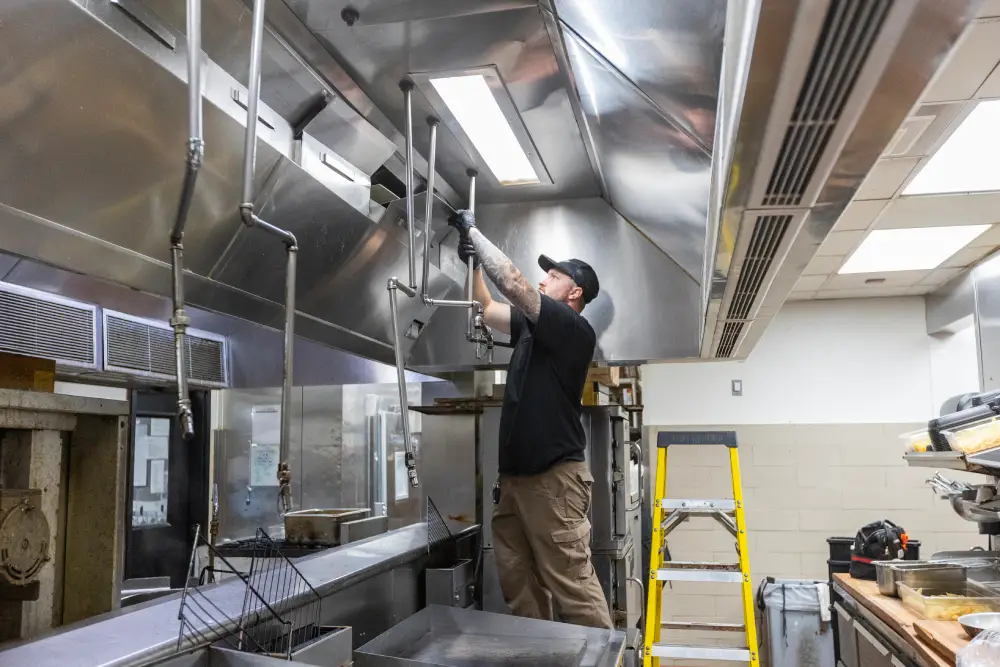
A fire suppression system is equipment designed to detect, control, or extinguish a fire before it spreads. Unlike a standard sprinkler system, many suppression systems use chemical agents, gases, or foam suited to specific hazards. Commercial property owners across Central and Eastern Pennsylvania and Western Maryland rely on these systems to protect kitchens, data centers, vehicles, and specialty equipment. This guide explains the main types of fire suppression systems, how they differ from sprinklers, and what factors influence the right choice for a property.
Key Takeaways
- Clean agent, wet chemical, dry chemical, inert gas, and foam systems each target different commercial fire risks.
- Sprinkler systems use water constantly, while suppression systems often use chemical agents suited to specific hazards.
- Commercial kitchens typically need wet chemical suppression paired with proper hood and duct protection.
- Building age, occupancy type, and equipment sensitivity all influence which suppression system a property needs.
How Suppression Systems Match Different Commercial Fire Risks
Different commercial spaces face different fire risks, and no single suppression system fits every scenario. Kitchens, server rooms, vehicles, and industrial equipment each generate distinct fuel sources and ignition patterns. Matching the suppression method to the specific hazard is central to effective fire protection planning.
Wet Chemical Systems For Commercial Kitchens
Wet chemical suppression systems are built for grease-fueled fires common in commercial kitchen hoods and cooking lines. These systems discharge a chemical agent that cools the fire and creates a soap-like barrier over hot oil, preventing reignition.
Restaurants, hotels, and institutional kitchens across the region depend on hood-integrated wet chemical protection tied directly to cooking equipment. This category also covers food truck fire suppression, since mobile kitchens face the same grease and appliance fire risks in a smaller footprint.
Dry Chemical Systems For Vehicle And Equipment Fires
Dry chemical suppression systems apply a powder-based agent that interrupts the chemical reaction driving a fire. These systems are common on mining equipment, agricultural machinery, transit vehicles, and construction equipment where fuel, hydraulic fluid, or electrical components create ignition risk. Dry chemical agents work well in enclosed engine compartments where quick knockdown matters more than agent cleanliness.
Clean Agent Systems For Sensitive Electronics
Clean agent fire suppression uses a gaseous agent that extinguishes fire without leaving residue on equipment. This makes clean agent systems, including FM-200 fire suppression, a common choice for data centers, server rooms, and areas with sensitive electronics. Because the agent disperses without wetting surfaces, it protects hardware that water or chemical residue would otherwise damage.
Inert Gas Systems For Oxygen-Sensitive Spaces
Inert gas suppression systems lower oxygen concentration in a room to a level that cannot sustain combustion. These systems can suit archives, control rooms, and specialty storage where oxygen displacement is preferable to chemical agents.
Because inert gas discharge can create oxygen-deficient atmospheres, systems require careful consideration of room sealing, personnel exposure, alarms, and evacuation procedures. The National Fire Protection Association (NFPA) guidance on inert gas fire-extinguishing systems addresses exposure to low-oxygen atmospheres and related safety measures.
Foam Systems For Flammable Liquid Hazards
Foam suppression systems blanket flammable liquid surfaces, cutting off the oxygen supply that feeds the fire. These systems are typically associated with fuel storage, industrial processing areas, and marine applications where liquid fuel fires are the primary concern.
Foam system design and agent selection require specialized evaluation, since improper agent choice can reduce effectiveness or create environmental concerns.
Special Hazard Systems For Unique Industrial Processes
Special hazard suppression covers custom applications that do not fit standard categories, including paint booths, printing presses, and chemical processing lines. T
hese systems are engineered around the specific fuel source and ignition pattern present in the process. Facilities with unusual equipment often need a site-specific hazard assessment before a suppression method is selected.
For example, the U.S. Occupational Safety and Health Administration (OSHA) standard on spray finishing outlines specific fire-protection requirements for spray booths and operations involving flammable and combustible materials.
Key Priorities When Choosing Fire Protection in Pennsylvania
Selecting the right fire suppression system in Central or Eastern Pennsylvania or Western Maryland depends on more than hazard type alone. Building age, local code requirements, and occupancy patterns all shape what a property needs. The following priorities help property owners narrow down their options.
Matching System Type To Occupancy Classification
A property’s occupancy classification, such as restaurant, healthcare facility, or manufacturing plant, largely determines which suppression system applies. Commercial kitchens fall under different code requirements than data centers or vehicle maintenance bays.
Understanding occupancy classification early helps property owners avoid installing a system that does not meet their actual use case.
Accounting For Older Building Stock
Many commercial buildings across Central Pennsylvania and Western Maryland were constructed decades ago, before current suppression technology existed.
Older structures sometimes have piping, electrical, or structural conditions that affect how a new system integrates with existing infrastructure. A site evaluation before installation helps identify whether retrofitting will require additional coordination.
Considering Seasonal And Regional Conditions
Facilities operating through Pennsylvania and Maryland winters face freeze-related risks that can affect water-based systems differently than chemical or gas-based suppression. Unheated storage buildings, garages, and outbuildings are particularly susceptible to freeze damage in exposed piping.
Property owners in these settings often weigh suppression options that are less dependent on liquid agents exposed to cold temperatures.
Planning For Inspection And Maintenance Access
Every suppression system type requires scheduled inspection and testing to remain code compliant and functional.
Systems installed in hard-to-reach locations, such as rooftop equipment or enclosed vehicle bays, need access planning built into the original installation. Considering maintenance access during system selection reduces disruption during future inspections.
Evaluating Documentation Needs For Code Compliance
Local fire marshals and insurance carriers typically require documentation showing a suppression system has been inspected and tested on schedule. Property owners should confirm that whichever system they choose supports the recordkeeping their jurisdiction expects. Clear documentation also simplifies communication with the authority having jurisdiction during future inspections
Weighing Installation Complexity Against Facility Downtime
Some suppression systems require more extensive installation work than others, particularly those involving piping, tanks, or room sealing for gas-based agents. Facilities that cannot tolerate extended downtime may prioritize systems with simpler installation paths.
Discussing installation timelines with a qualified provider before committing to a system helps set realistic expectations.
Get Expert Guidance on Fire Suppression System Selection
Choosing the right fire suppression system depends on your building, your equipment, and your local compliance requirements. Liberty Fire Solutions has served commercial properties across Central and Eastern Pennsylvania and Western Maryland, guiding customers through fire code compliance for decades. Whether you operate a restaurant kitchen, a data center, or a fleet of heavy equipment, a fire safety specialist can help you evaluate your options.
Contact us to request a quote and start planning your fire suppression system.
Frequently Asked Questions
What is a fire suppression system?
A fire suppression system is equipment designed to detect, control, or extinguish fires using water, chemical agents, gas, or foam. Different systems target different hazards, from commercial kitchen grease fires to sensitive electronics in data centers.
How much does it cost to install a fire suppression system?
Installation cost depends on system type, building size, and hazard complexity. Clean agent and inert gas systems typically cost more than standard sprinklers due to specialized equipment and sealing requirements. A site evaluation provides an accurate estimate.
What are the three main fire suppression systems?
Common categories include water-based systems, chemical agent systems such as wet or dry chemical, and gaseous systems such as clean agent or inert gas. Each type targets specific fuel sources and fire behaviors found in commercial settings.
What is the difference between a fire suppression system and a sprinkler system?
Sprinkler systems use water and activate individually based on heat at each sprinkler head. Suppression systems often use chemical or gas agents and cover an entire hazard area at once, targeting specific fire risks sprinklers cannot address.
Category: Fire Protection Let us help.
Fill out the form and a Liberty fire safety specialist will contact you within 24 hours.
Let us help.
Fill out the form and a Liberty fire safety specialist will contact you within 24 hours.