
A Complete Guide to Fire Extinguisher Classes for Pennsylvania and Maryland Businesses
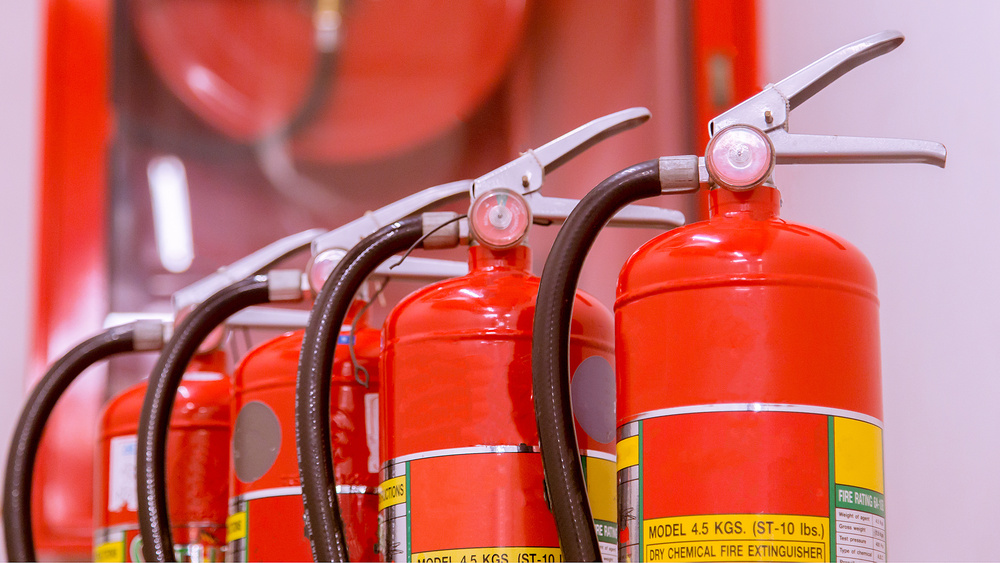
Understanding the types of fire extinguishers is essential for any commercial property owner in Central and Eastern Pennsylvania or Western Maryland. Different fires require different extinguishing agents, and using the wrong one can make a fire worse. This guide breaks down each fire extinguisher class, what fires it handles, and where local businesses typically need it.
Knowing these differences helps property managers and facilities teams meet code requirements and protect their buildings.
Key Takeaways
- Fire extinguishers are grouped into five main classes: A, B, C, D, and K.
- Class A extinguishers handle ordinary combustibles, while Class K targets commercial kitchen grease fires.
- Electrical fires require Class C extinguishers, which use non-conductive agents to prevent shock hazards.
- Placement, labeling, and inspection schedules all affect whether a property passes a fire marshal review.
Choosing the Right Fire Extinguisher Classes for Pennsylvania and Maryland Businesses
Not all fire extinguishers are designed to handle the same types of fires. Understanding the different extinguisher classes helps property managers choose the right equipment for their facility’s specific fire hazards while supporting code compliance and emergency preparedness.
Class A Extinguishers for Ordinary Combustibles
Class A fire extinguishers are designed for ordinary combustible materials like wood, paper, cloth, and many plastics. These are the most common fire risks found in offices, schools, and retail spaces across the region. The label features a green triangle with the letter A. Most commercial buildings need at least one Class A unit per floor.
Class B Extinguishers for Flammable Liquids
Class B extinguishers target fires fueled by flammable liquids, including gasoline, oil, and solvents. These are common in automotive shops, manufacturing facilities, and maintenance areas throughout Central Pennsylvania. The label shows a red square with the letter B. Water-based extinguishers should never be used on this fire type, since it can spread burning liquid.
Class C Extinguishers for Electrical Fires
Class C extinguishers are built for fires involving energized electrical equipment, such as wiring, breaker panels, or machinery. These extinguishers use a non-conductive agent, which reduces the risk of electric shock during use. The label uses a blue circle with the letter C. Server rooms, mechanical rooms, and equipment closets typically require this class.
Class D Extinguishers for Combustible Metals
Class D extinguishers are designed for fires involving combustible metals, including magnesium, titanium, and sodium. These fires occur most often in manufacturing plants and machine shops that process raw metal. The label displays a yellow star with the letter D. This class is far less common in everyday commercial buildings than A, B, or C.
Class K Extinguishers for Commercial Kitchens
Class K extinguishers are made for fires involving cooking oils and fats, which are common in commercial kitchen fire suppression settings. Restaurants, hotels, and cafeterias across the region rely on this class near cooking equipment. The label features a black hexagon with the letter K. These extinguishers use a wet chemical agent that cools grease fires and prevents reignition.
ABC Extinguishers as a Multi-Purpose Option
ABC extinguishers combine coverage for Class A, B, and C fires in a single unit. Many commercial properties choose this option to simplify placement and reduce the number of extinguisher types staff need to recognize. The label shows all three symbols together. This multi-purpose design works well in mixed-use buildings with varied fire risks.
Reading Extinguisher Labels and Color Codes
Extinguisher labels use standardized shapes and colors to show which fire classes a unit covers. A green triangle marks Class A, a red square marks Class B, and a blue circle marks Class C. Facilities managers should train staff to recognize these symbols quickly. Correct identification during an emergency can prevent using the wrong extinguisher on a fire.
Fire Extinguisher Placement and Compliance Priorities for Commercial Properties
Proper fire extinguisher placement involves more than meeting minimum code requirements. Commercial properties should consider building layout, occupancy risks, and ongoing maintenance to ensure extinguishers remain accessible, effective, and compliant.
Matching Extinguisher Class to Building Use
Extinguisher placement should match the specific fire risks present in each area of a building. A warehouse with electrical panels needs different coverage than a restaurant kitchen or a retail sales floor. Facilities managers should map out fire risks room by room before finalizing extinguisher placement.
This approach reduces gaps in coverage that a general walkthrough might miss.
Mounting Height and Accessibility Requirements
Fire extinguishers must be mounted at accessible heights and kept clear of obstructions like shelving or equipment. Staff should be able to reach and remove an extinguisher within seconds during an emergency. Blocked or hard-to-reach units are a common finding during fire marshal inspections. Property managers should walk the building regularly to confirm access paths remain clear.
Maximum Travel Distance Standards
Fire codes generally require extinguishers to be placed so no point in a building is too far from one. This travel distance requirement varies by extinguisher class and occupancy type. Larger commercial spaces, including warehouses and manufacturing floors, often need multiple units spaced throughout. Property managers should confirm current spacing meets the applicable code for their occupancy type.
Kitchen-Specific Placement for Class K Units
Commercial kitchens need Class K extinguishers mounted near cooking equipment, separate from general-purpose units elsewhere in the building. This placement supports quick response to grease fires before they spread to hoods or ductwork. Restaurants and hospitality operators across Pennsylvania and Maryland should coordinate this placement with their commercial kitchen fire suppression system. Kitchen suppression and extinguisher placement work together as one fire safety plan.
Monthly Visual Inspections
Extinguishers require monthly visual inspections to confirm pressure gauges read in the normal range and pins remain intact. Facilities staff can perform these checks internally as part of routine building walkthroughs. Any unit showing low pressure, damage, or a missing tag should be flagged immediately. Documenting these checks helps demonstrate ongoing compliance during a fire marshal visit.
Annual Professional Inspections and Tags
Beyond monthly checks, extinguishers need annual inspections performed by a qualified fire protection technician. This inspection confirms the extinguisher still meets code and functions correctly. Each inspection typically results in a dated tag attached to the unit. Property managers should keep inspection records on file to support compliance documentation and prepare for AHJ review.
Signage and Staff Training Considerations
Clear signage above each extinguisher helps staff locate units quickly during an emergency. Many commercial properties also schedule basic staff training on extinguisher use and identification. This training should cover which extinguisher class applies to which area of the building. Facilities managers should consult their local fire marshal for jurisdiction-specific signage and training requirements.
Protect Your Property With the Right Fire Safety Plan
Choosing and maintaining the right types of fire extinguishers is one part of a larger fire safety plan. Liberty Fire Solutions works with commercial properties across Central and Eastern Pennsylvania and Western Maryland on inspection, repair, and installation across multiple fire protection systems.
Whether you manage an office building, a restaurant kitchen, or a manufacturing facility, having the correct extinguisher classes in place helps you stay prepared and compliant. Request a quote to review your current extinguisher coverage and identify any gaps.
Frequently Asked Questions
What are the 4 types of fire extinguishers?
The four most commonly referenced types are Class A, B, C, and ABC combination units. Some properties also need Class D or Class K depending on their specific fire risks and operations.
What are Class ABC and D fire extinguishers?
ABC extinguishers cover ordinary combustibles, flammable liquids, and electrical fires in one unit. Class D extinguishers are designed specifically for fires involving combustible metals like magnesium or titanium.
What are the 5 classes of fire?
The five fire classes are A (ordinary combustibles), B (flammable liquids), C (electrical equipment), D (combustible metals), and K (cooking oils and fats). Each class requires a matching extinguisher type.
What are the 5 types of fire extinguishers and their colors?
Class A uses a green triangle, Class B a red square, Class C a blue circle, Class D a yellow star, and Class K a black hexagon. These symbols appear directly on extinguisher labels.
Category: Fire Extinguishers Let us help.
Fill out the form and a Liberty fire safety specialist will contact you within 24 hours.
Let us help.
Fill out the form and a Liberty fire safety specialist will contact you within 24 hours.