
Fire Extinguisher Maintenance Mistakes That Can Leave Your Pennsylvania Business Out of Compliance
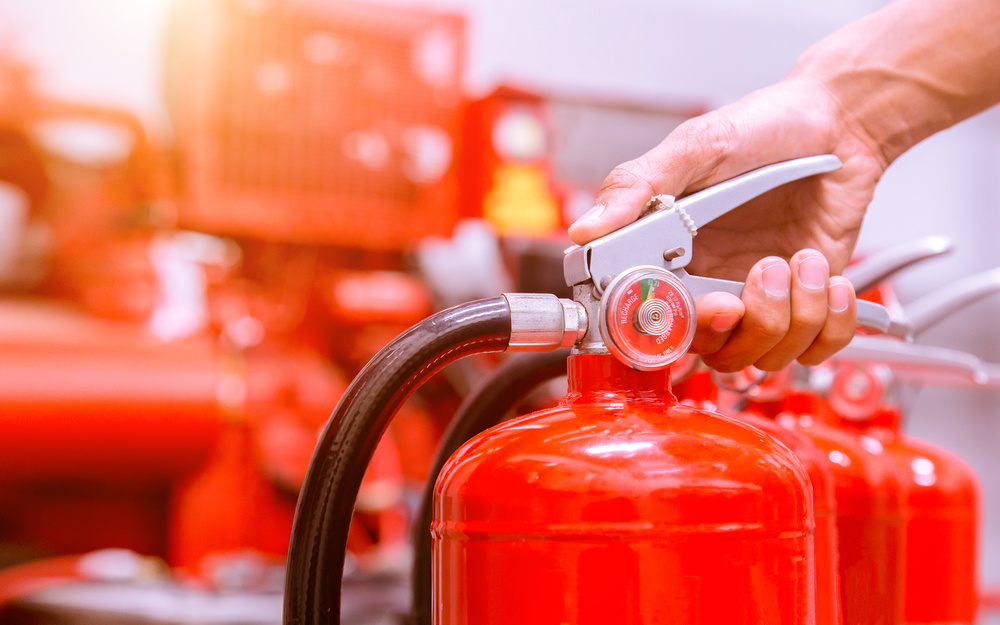
Most facility managers assume a passing annual inspection means their fire extinguishers are fully compliant. Fire extinguisher maintenance actually involves several layers beyond the yearly check, including internal exams, recharging, and hydrostatic testing. Buildings across Central and Eastern Pennsylvania and Western Maryland fall out of compliance most often when these deeper service steps get missed.
Key Takeaways
- Annual inspections alone do not satisfy full fire extinguisher maintenance requirements under NFPA 10 standards.
- Stored-pressure dry chemical units need six-year internal maintenance and twelve-year hydrostatic testing to stay compliant.
- Service tags record the technician, company, and date of each maintenance visit for compliance documentation.
- Falling out of compliance can mean failed inspections, fire code violations, and increased liability during an emergency.
Compare Fire Sprinkler Systems for Mid-Atlantic Commercial Buildings
Building owners often lump fire extinguisher maintenance in with general fire protection upkeep, but each system category carries distinct service intervals and technician requirements. Understanding how extinguisher maintenance compares to other fire protection components helps facility managers plan budgets and avoid gaps in coverage. The sections below break down the specific maintenance steps that apply to portable extinguishers in commercial settings.
What Annual Fire Extinguisher Maintenance Actually Covers
Annual maintenance for fire extinguisher units goes beyond a quick glance at the gauge. NFPA 10 Section 7.1.2 requires that annual maintenance and internal examinations be performed by trained and certified persons.
A technician checks the mechanical parts, weighs the unit, and verifies the extinguishing agent is still present. This annual visit is the foundation, but it does not replace the six-year or twelve-year service milestones.
Why Six-Year Internal Maintenance Is Required
Many building owners are surprised to learn their extinguishers need internal servicing every six years, even after passing every annual check. The six-year requirement is an internal examination, where the extinguisher is depressurized and opened to inspect internal components for corrosion or damage.
This step catches problems that a surface-level annual inspection cannot detect. Skipping it is one of the most common compliance mistakes among Pennsylvania and Maryland commercial properties.
The Twelve-Year Hydrostatic Testing Requirement
Hydrostatic testing is a pressure test that confirms the extinguisher cylinder can still hold pressure safely. The 12-year requirement is a hydrostatic test where the cylinder is pressure-tested to verify structural integrity, and both the six-year and twelve-year steps are in addition to annual maintenance.
Dry chemical fire extinguisher maintenance typically follows this twelve-year cycle. Facilities that skip this step risk operating extinguishers with compromised cylinders.
CO2 Fire Extinguisher Maintenance Has Different Rules
CO2 fire extinguisher maintenance does not follow the same schedule as dry chemical units. CO2 units are the exception most owners get wrong, with no pressure gauge, a five-year hydrostatic cycle instead of twelve, and no fixed calendar expiration.
Building managers who apply dry chemical timelines to CO2 units often miscalculate their next required service date. Confirming the extinguisher type before scheduling testing prevents this error
Non-Rechargeable Units Cannot Be Serviced Past Twelve Years
Some fire extinguishers are built as disposable, non-rechargeable units. Non-rechargeable extinguishers are allowed under NFPA 10 but must be removed from service twelve years from their manufacture date, and they cannot receive six-year internal examinations or hydrostatic testing.
Facility managers sometimes attempt to schedule maintenance on these units past their service life. The correct action at that point is replacement, not recharging.
Documentation and Record-Keeping Requirements
Proper documentation is a core part of extinguisher compliance, not an afterthought. NFPA 10 requires maintaining records of all inspections, maintenance, and testing for the life of the extinguisher, based on the current edition’s service tables.
Facilities without organized records often fail inspections even when the physical extinguishers are in good condition. Keeping a centralized log by unit location and manufacture date avoids this gap.
Key Factors Before Selecting the Best System for Your Property
Choosing the right maintenance approach for a property depends on the extinguisher types installed, the building’s occupancy, and how records are currently tracked. Facility managers in Central and Eastern Pennsylvania and Western Maryland should weigh several practical factors before committing to a maintenance plan. The following considerations help clarify what to prioritize.
Reading Your Extinguisher’s Service Tag
The service tag attached to each extinguisher tells you its maintenance history at a glance. Six-year maintenance is recorded on a metallic label affixed to the extinguisher, indicating the month and year the maintenance was performed along with the technician’s name and servicing company.
Learning to read this tag lets a facility manager verify compliance status without waiting for a formal audit. Missing or illegible tags should be treated as a red flag.
Tracking Manufacture Dates to Avoid Compliance Gaps
Manufacture date tracking is more important than many building owners realize. If you cannot prove the manufacture date of an extinguisher, NFPA 10 treats it as if it is past its six-year window, and illegible or missing date stamps are violations waiting to happen.
Properties with older extinguisher fleets should prioritize verifying these stamps early. This single detail often determines whether a unit needs immediate service.
Recharging Versus Full Replacement Decisions
Recharging restores an extinguisher’s extinguishing agent and pressure after use or during scheduled maintenance. Replacement becomes necessary when a unit reaches the end of its rechargeable life or shows damage beyond repair.
Rechargeable units are more cost-effective for permanent installations because they can be serviced indefinitely. Properties with a mix of rechargeable and disposable extinguishers benefit from tracking both categories separately.
Matching Maintenance Cadence to Extinguisher Type
Not every extinguisher on a property follows the same service schedule. Wet chemical, halotron, and CO2 units each carry different hydrostatic intervals than standard dry chemical models. Wet chemical units carry a five-year hydrostatic interval, shorter than dry chemical, because the agent is corrosive to the cylinder.
A property with mixed extinguisher types needs a maintenance calendar that reflects each unit’s specific requirements rather than a single blanket schedule.
Planning for Multi-Site or Multi-Building Compliance
Facility managers overseeing several buildings face added complexity in tracking maintenance across locations. Centralizing extinguisher records by property, floor, and unit number reduces the risk of a single overlooked unit causing a failed inspection.
Coordinating service visits across multiple sites also helps keep annual, six-year, and twelve-year cycles aligned on one schedule instead of scattered dates.
Working With a Qualified Maintenance Provider
Internal exams and hydrostatic testing require specialized training and equipment that most in-house staff do not have. This maintenance must be performed by an approved extinguisher servicing company, since hydrostatic testing requires special training and equipment.
Verifying that a fire extinguisher maintenance company is equipped to handle six-year and twelve-year service, not just annual checks, prevents compliance gaps down the road.
Protect Your Property With Proper Fire Extinguisher Maintenance
Falling behind on fire extinguisher maintenance puts your building at risk of failed inspections and code violations. Liberty Fire Solutions helps commercial properties across Central and Eastern Pennsylvania and Western Maryland stay current on inspections, recharging, and long-term testing requirements. Whether your extinguishers need annual service or a six-year internal exam, getting ahead of the schedule keeps your building compliant.
Contact us to request a quote and get your extinguisher maintenance on track before your next inspection.
Frequently Asked Questions
What is a good fire extinguisher maintenance step?
A good step is checking the pressure gauge, inspecting for damage, and confirming the service tag shows a current inspection date. Scheduling six-year and twelve-year service on time also keeps units fully compliant.
Will the fire department service my fire extinguisher?
No, most fire departments do not perform extinguisher maintenance or recharging. This work requires a certified fire extinguisher maintenance company with the training and equipment needed for internal exams and hydrostatic testing.
How much does it cost to have a fire extinguisher serviced?
Costs vary based on extinguisher type, size, and whether the service is an annual check, six-year maintenance, or twelve-year hydrostatic test. Contact a local provider directly for pricing specific to your property.
Is a 10 year old fire extinguisher still good?
A 10-year-old rechargeable extinguisher can still be compliant if it has passed its six-year internal maintenance on schedule. Non-rechargeable units, however, must be removed from service at the twelve-year mark regardless of condition
Category: Fire Extinguishers Let us help.
Fill out the form and a Liberty fire safety specialist will contact you within 24 hours.
Let us help.
Fill out the form and a Liberty fire safety specialist will contact you within 24 hours.